
Naturion & Victory Electrostatic Sprayer SOP: Fluid Dynamics & Application Guide
Introduction
Click for Watch
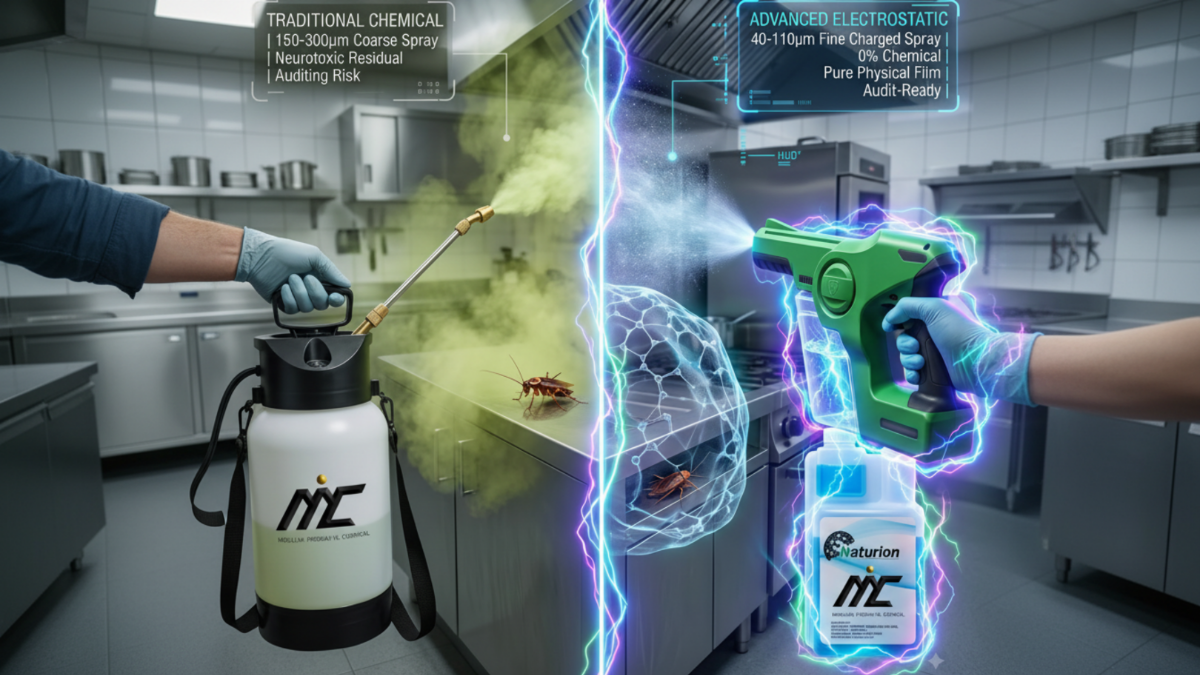
In today's F&B establishments and food processing facilities, pest resistance to traditional chemical pesticides (such as Organophosphates and Pyrethroids) is becoming increasingly severe. The principle behind Naturion Physical Micro-film is straightforward: it contains zero chemical toxins and instead uses a silicone polymer layer to form a transparent micro-film over the cockroach's body, blocking its spiracles and causing physical suffocation within 25 seconds. Because it works via a purely physical mechanism, pests can never develop chemical resistance.
However, during field operations, many PCO technicians find that performance varies, or they face audit compliance issues in food plants. This usually comes down to two main causes: incorrect droplet size settings on the sprayer and chemical cross-contamination caused by mixed equipment usage.
This guide outlines how to properly configure your equipment and establish a standard, segregated application SOP.
1. Configuring the Victory Electrostatic Sprayer: Fine vs. Coarse Spray Applications
To maximize Naturion’s ability to form a complete physical film over pests, the droplet size emitted by the sprayer must be correctly matched to the task:

⚠️ Common Field Mistake:
Many technicians leave the sprayer on Fine Mode (40–60 mm) while spraying directly at cockroaches. Although fine droplets provide excellent electrostatic wrapping, individual droplets are too small to overcome the hydrophobic wax layer on the pest's cuticle quickly enough to form a thick, continuous film.
Correct Method: Use Fine Mode for general preventive coverage (saves product and prevents dripping). When a cockroach harborage is spotted or when performing flushing, immediately switch to Coarse Mode (100–150 mm) for direct application to ensure a 25-second physical kill!
2. Why You Must Never Use the Same Handpump Sprayer for Chemical Pesticides and Naturion
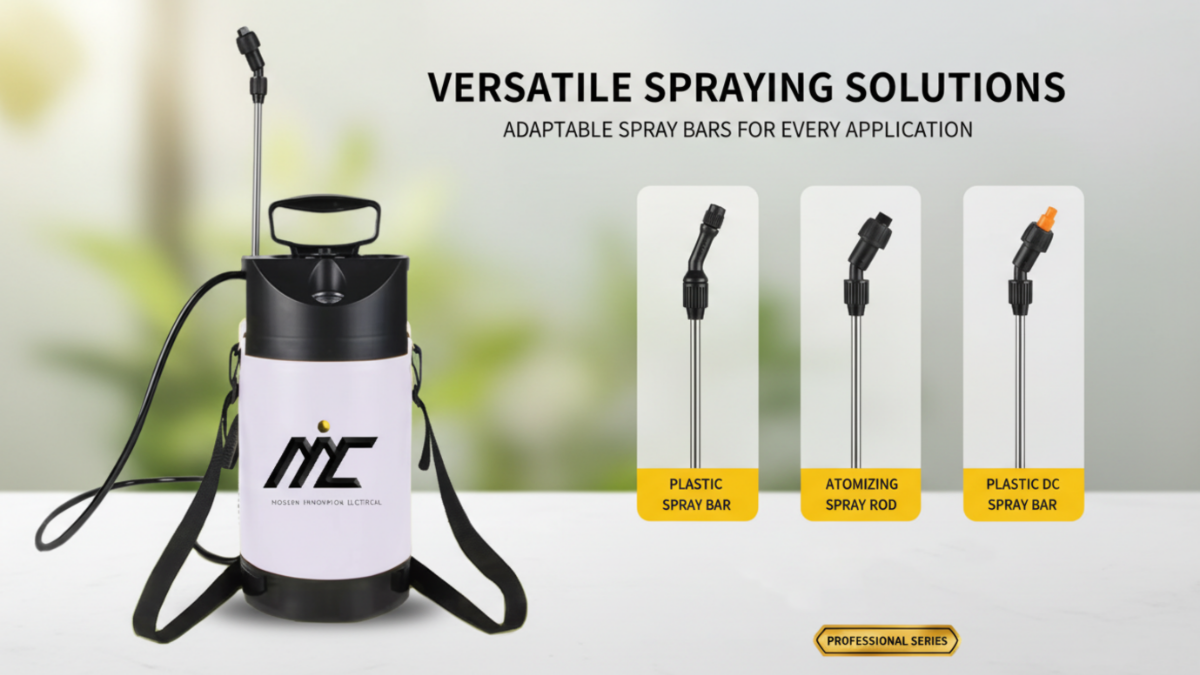
A common operational mistake is using a single manual handpump sprayer interchangeably—spraying chemical pesticides in the morning, rinsing it lightly with water, and filling it with Naturion in the afternoon. This creates severe risks.
Consequences of Equipment Cross-Contamination:
Chemical Residue Penetration: Chemical pesticides contain organic solvents that seep into the internal walls, rubber O-rings, and hoses of the handpump. Standard water rinsing cannot completely remove these organic molecules.
Invalidating Non-Toxic Certifications: Naturion holds an official Exemption Letter from the Department of Agriculture Malaysia (DOA) and a non-toxic SDS. Filling it into a contaminated sprayer causes the sprayed micro-film to carry toxic chemical residues.
Food Safety Audit Failure: Spraying micro-film contaminated with chemical residues onto dining tabletops or food preparation equipment will trigger chemical residue risks during strict third-party testing (such as GC-MS analysis), resulting in immediate audit failure.
3. Triple-Equipment Segregation Standard Operating Procedure (SOP)
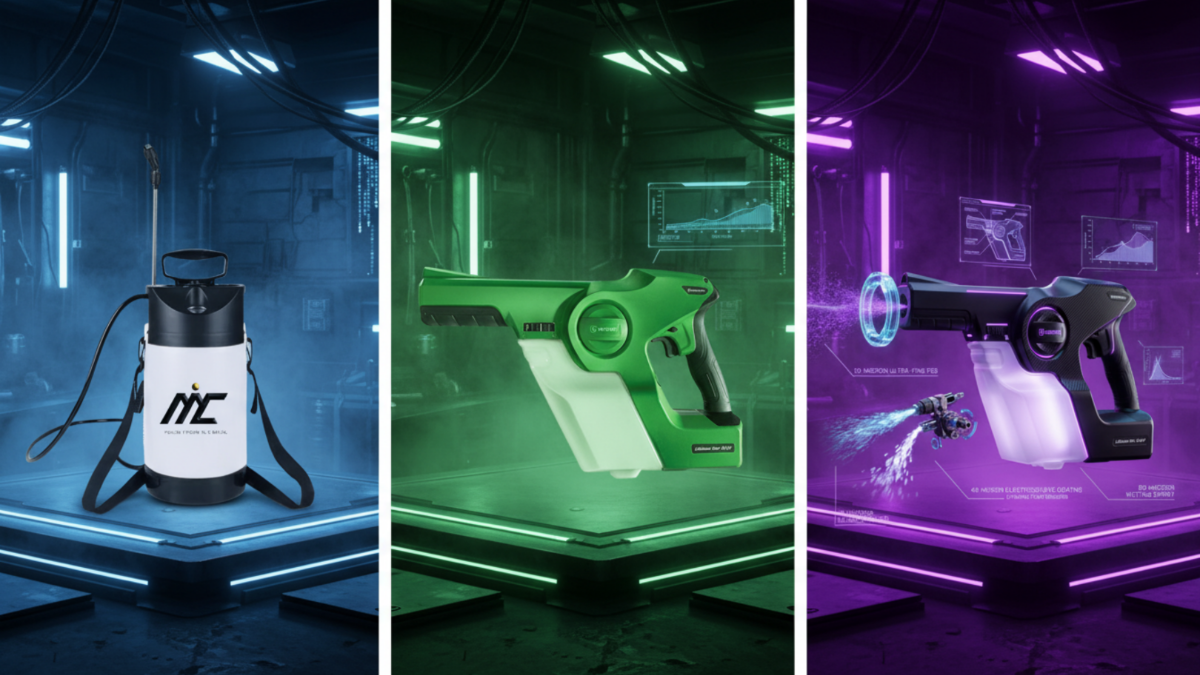
To eliminate cross-contamination and ensure optimal physical pest elimination, technicians must strictly follow a dedicated equipment segregation system:
📌 Step 1: Floors & Drains — Dedicated Chemical Handpump Sprayer (Equipment ①)
Designated Equipment: Dedicated chemical handpump sprayer (clearly labeled: CHEMICAL USE ONLY).
Designated Chemical: Traditional chemical pesticides (e.g., Curfew, HC Roachkill).
Application Zone: Restricted to floor bases, skirting boards, drain inlets, and dark drainage trenches.
Safety Red Line: This equipment must never be elevated above tabletop height or used near food prep counters and utensil storage areas.
📌 Step 2: Walls & Ambient Defense — Dedicated Naturion Electrostatic Sprayer · Fine Mode (Equipment ②)
Designated Equipment: Naturion dedicated electrostatic sprayer (NEVER fill with chemical pesticides).
Parameter Setting: Adjusted to 40–60 mm fine electrostatic mode.
Application Zone: Kitchen wall tiles, rear sides of suspended equipment, and crevice grids.
Operational Mechanism: Uses electrostatic charge to adhere micro-film evenly to vertical surfaces, building a full-area physical barrier without dripping.
📌 Step 3: Harborage Flushing — Dedicated Naturion Electrostatic Sprayer · Coarse Mode (Equipment ③)
Designated Equipment: Naturion dedicated electrostatic sprayer (switched mode) or dedicated high-flow sprayer.
Parameter Setting: Switched to 100–150 mm coarse high-flow mode.
Application Zone: Sighted cockroaches, bedbugs, electrical boxes, kitchenware gaps, and active harborages.
Operational Mechanism: High-density fluid coating wraps the pest body within 5 seconds and seals spiracles within 25 seconds for immediate physical knockdown.
4. On-Site Operations and Equipment Maintenance
Turn Off Ventilation Fans: When operating in fine electrostatic mode (40–60 mm), turn off large exhaust fans on site to prevent strong air currents from blowing away charged droplets and weakening electrostatic attraction.
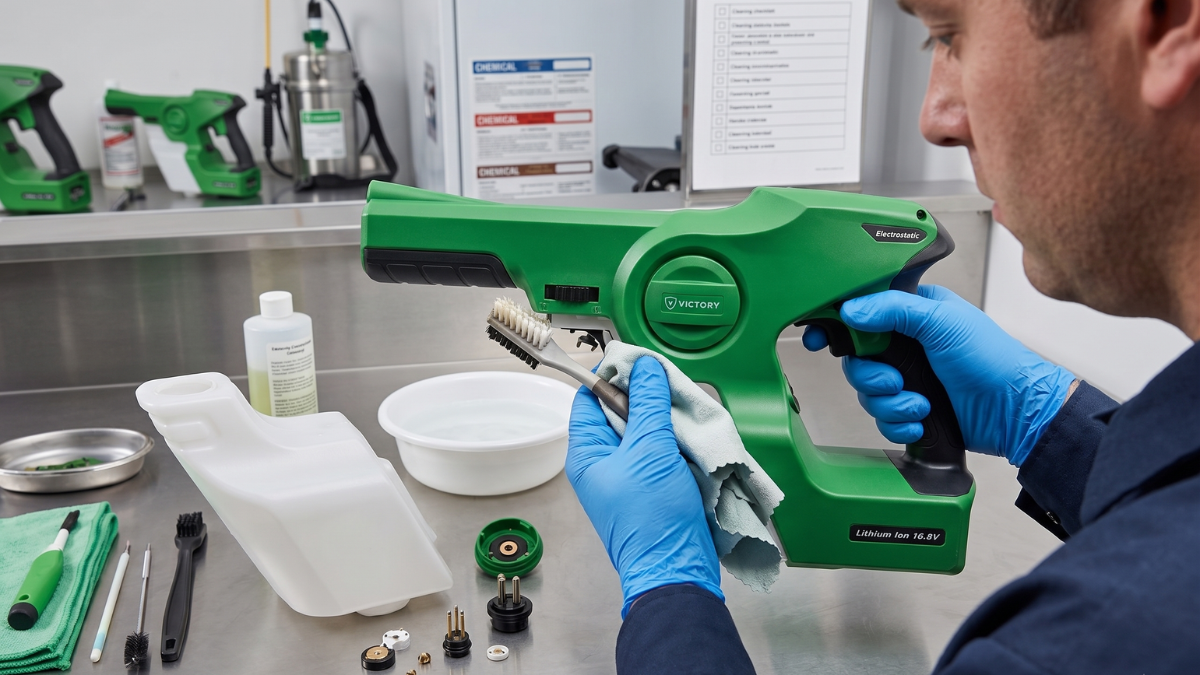
Daily Warm Water Flushing: After daily operations, flush the electrostatic sprayer lines with warm or pure water to prevent high-concentration polymers from drying and clogging the fine nozzle tip.
Do Not Use Alcohol or Acetone: Never wipe the plastic tank or induction electrode of the electrostatic sprayer with organic solvents like alcohol or acetone, as this damages electrical insulation and electrode performance.
5. Summary
Professional pest control requires not only the right non-toxic solution, but also the proper application tools.
By applying fluid control (fine particles for defensive coverage, coarse particles for harborage flushing) alongside a strict Triple-Equipment Segregation SOP, you ensure Naturion performs at 100% capacity while helping your F&B and food manufacturing clients easily pass every food safety audit!